

Things to do in Yarmouth and the Acadian Shores
If you are traveling to Nova Scotia for one of our Yarmouth-area Great White Shark Expeditions, your trip will take you to one of the
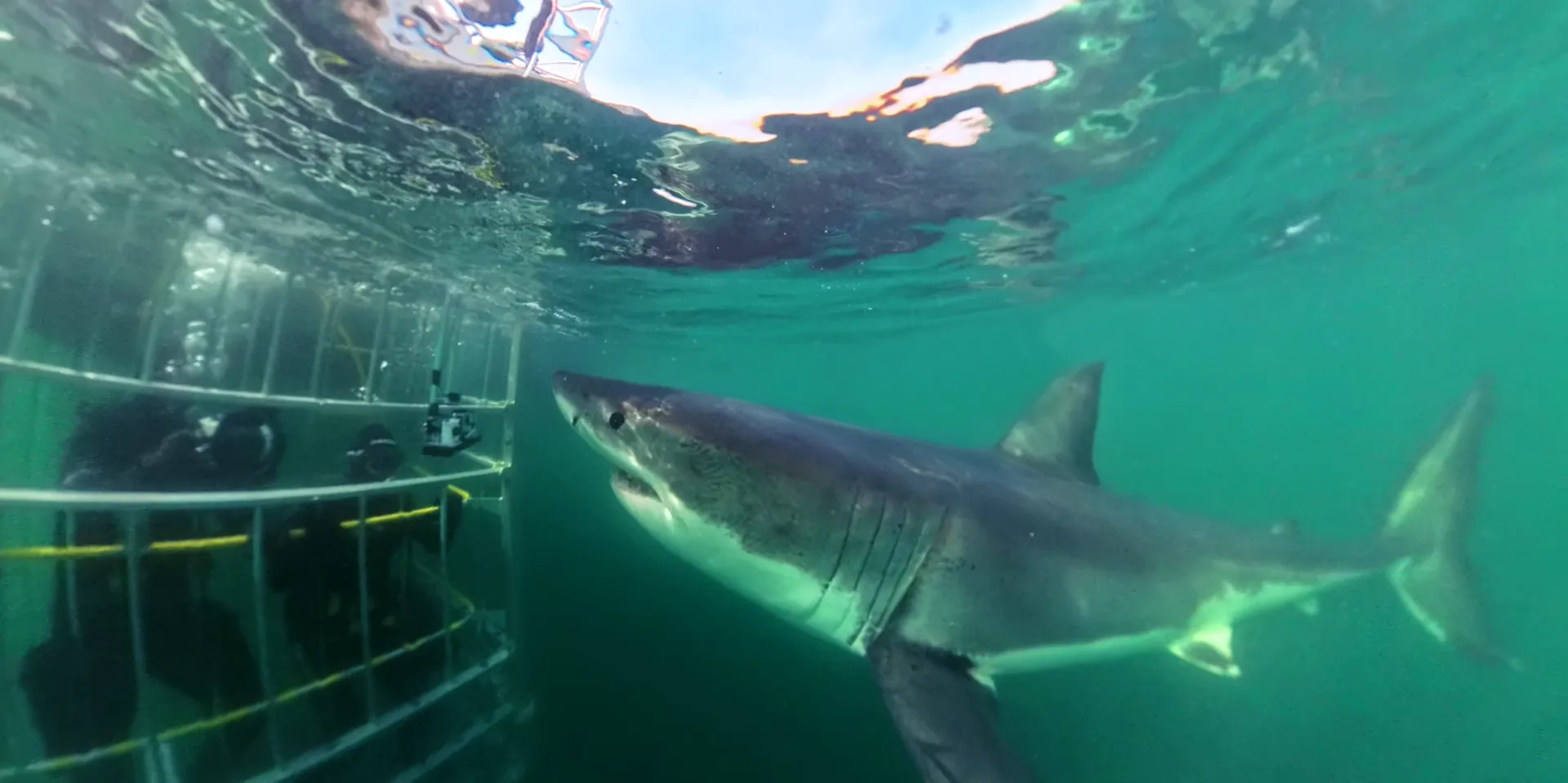
Everyone knows you shouldn’t feed wild bears. But do sharks respond the same way to food provisioning as bears or other land predators?
The short answer: No.
Sharks are not mammals, they do not form dependency relationships, they do not defend territories, and their feeding ecology and learning processes are fundamentally different from terrestrial animals.
Still, baited shark dives often raise understandable concerns from the public:
These questions appear frequently in media reports, online debates, and coastal communities. But decades of scientific research say the fears are unfounded. Baited shark dives and baiting sharks do not increase the risk of shark bites on the public.
Below, we break down what the peer-reviewed science to date actually shows.
1) No Evidence Linking Baited Shark Dives to Shark Attacks
For more than 30 years, shark tourism has been occurring globally. Despite tens of thousands of trips and millions of shark–human encounters, scientists have not found any connection between cage diving or chumming and an increase in unprovoked shark bites on swimmers or surfers.
For scientists that have actually tested the relationship between cage diving with great white sharks and human safety, they have found:
Scientific Sources: Johnson & Kock (2006), Kock et al. (2012), Huveneers et al. (2013), Bruce (2015):
2) Behavioral Effects Exist — But They Are Mild, Temporary, and Not Dangerous
Do baiting and chumming change shark behavior?
In some cases, yes — briefly and locally, and not in harmful or risky ways to the sharks or humans.
For scientists that have studies the relationship between cage diving and great white sharks, they have found:
But here’s what doesn’t change:
Scientific sources: Laroche 2007; Bruce & Bradford 2012; Huveneers 2013)
3) Baiting Does Not Bring Sharks to Places They Don’t Already Occur
One of the biggest myths is that baiting “creates sharks” in areas where they don’t normally occur. This is false. Bait will attract sharks nearby, but it won’t turn a location that is void of sharks to a shark hotspot. If sharks are not present naturally or traveling through the area, no amount of bait will suddenly make them appear. This is why shark dive operators choose locations known for natural shark activity.
Baiting only works if sharks are already passing through or inhabiting an area. This is why operators choose natural shark aggregation sites (e.g., seal colonies, migratory routes, seasonal hotspots).
If sharks don’t exist there already, bait won’t make them appear.
4) Sharks Do Not Associate Humans With Food
To condition a shark to associate humans with food, several things must happen:
Repeated exposures with positive reinforcement (feeding)
In most cage diving operations:
Sharks must generalize the association to humans
The association must persist even without chum
Telemetry and long-term observational studies show:
If sharks learned that “boats = food,” we would see sharks flocking to all boats.
This is not observed anywhere in the world.
5) Fishing Produces FAR More “Attractants” Than Shark Tourism
This point is almost entirely overlooked in public discussions.
Commercial and recreational fishing activities produce massively stronger scent signals and food rewards than any shark tourism vessel.
Fishing fleets routinely:
Sharks regularly feed on:
If sharks were conditioned by bait or chum to “seek humans,” then fishing hotspots would have sky-high shark bite rates.
They do not.
This is powerful evidence that sharks do NOT generalize food smell to human swimmers.
6) Natural Prey Create Far Stronger Scent Trails Than Chum
Natural prey sources, like seals, release enormous, continuous smell cues from:
Bait used by most cage diving vessels would be background noise compared to natural prey cues. In fact, white shark cage-diving operators position near seal colonies for this reason, because sharks are already there naturally.
So, What About the Bear Analogy?
Feeding terrestrial mammals, like bears, condition them to humans because:
Sharks are not mammals. They do not:
Responsible Shark Diving: A Precautionary and Science-Based Approach
That said, common sense and precaution are always important when working with wildlife. While baited shark dives have not been shown to increase shark bite risk, responsible operators should still follow common sense and take a precautionary approach to minimize disturbance and maintain high safety standards.
Such approaches would:
When conducted responsibly, baited shark dives can be safe, ethical, and scientifically supported. Even more importantly, they:
Additional Reading Sources:
References Cited
Bruce BD (2015). A review of cage diving impacts on white shark behaviour and recommendations for research and the industry’s management in New Zealand. Report to the Department of Conservation, New Zealand: CSIRO Marine and Atmospheric Research.
Huveneers C, Rogers P, Beckmann C, Semmens J, Bruce B & Seront L (2013). The effects of cage-diving activities on the fine-scale swimming behaviour and space use of white sharks. Marine Biology, 11:160, 2863-2875.
Johnson R & Kock A (2006). South Africa’s white shark cage-diving industry- is there cause for concern? In: Nel, D.C. & Paschal, T.P. (Eds.). Finding a Balance: White Shark Conservation and Recreational Safety in the Inshore Waters of Cape Town, South Africa; Proceedings of a Specialist Workshop. WWF South Africa Report Series- 2006/Marine001.
Laroche RK, Kock AA, Dill LM & Oosthuizen WH (2007). Effects of provisioning ecotourism activity on the behaviour of white sharks Carcharodon carcharias. Marine Ecology Press Series, 338, 199-209.
If you are traveling to Nova Scotia for one of our Yarmouth-area Great White Shark Expeditions, your trip will take you to one of the

If you are traveling into Halifax for a shark cage diving expedition, your day on the water may be the reason for the trip —
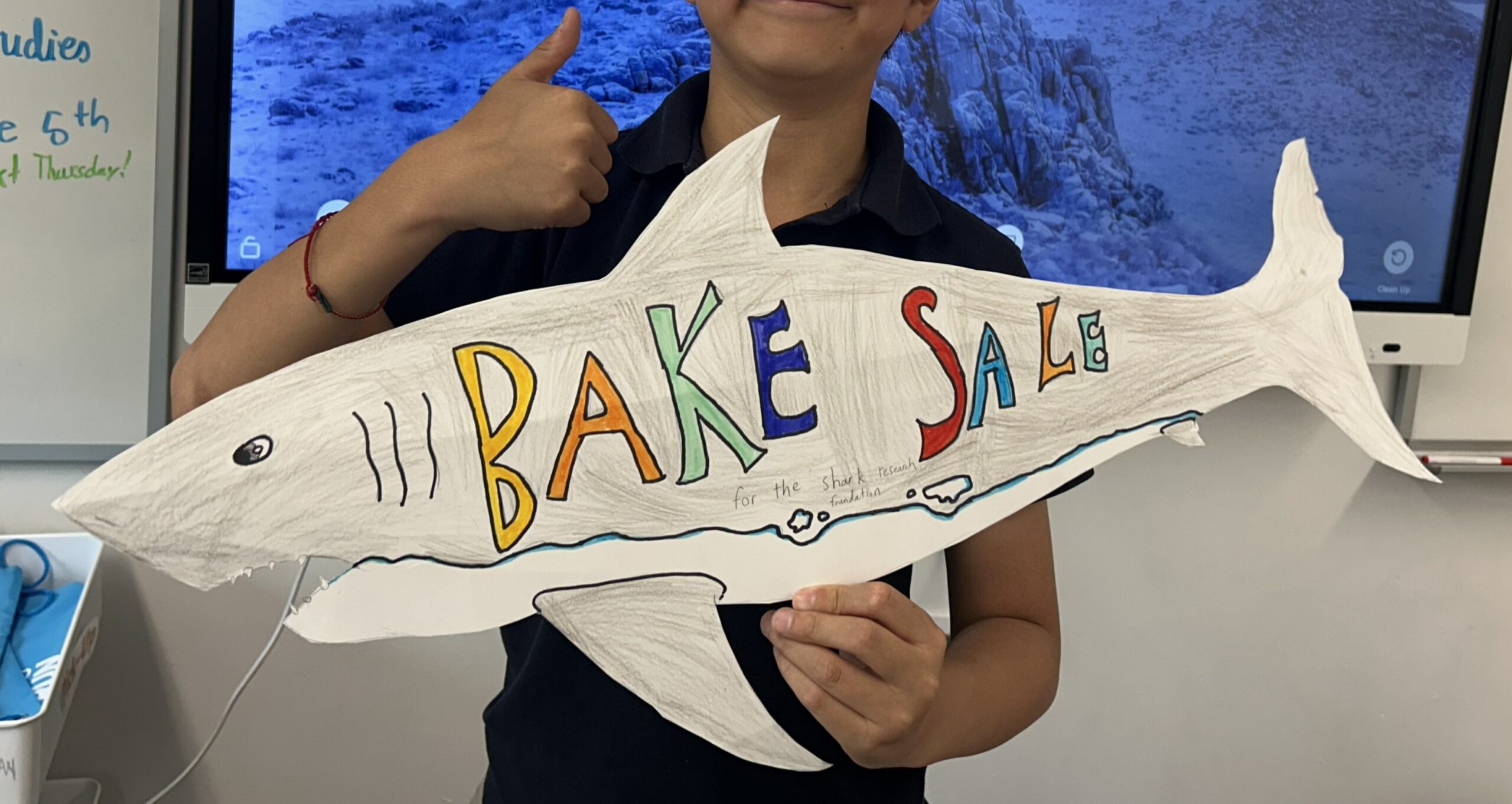
You don’t have to be a grown-up or a scientist to help conserve sharks. Kids and schools can make a difference! Sharks are amazing animals
📊 Cage Diving – Halifax

📊 Great White Expeditions

Exchange rates fluctuate daily. USD amounts shown are estimates. Check with your bank or card provider for the current rate. No additional international fees are charged by Atlantic Shark Expeditions. Early Bird and promotional pricing available for limited time only, there is no guarantee promotional pricing will be available at the time of booking.